
OpenArt AI
MOD APK 1.1.2 Premium UnlockedLet's build community together and explore the coolest world of APK Games/Apps.
OpenArt Ai Mod APK is a practical guide to AI video creation, prompt workflows, motion, styles, quality, and editing tips for better content creation on OpenArt every day online.
Information
OpenArt Ai Mod APK: A Practical Guide to AI Video Creation with OpenArt
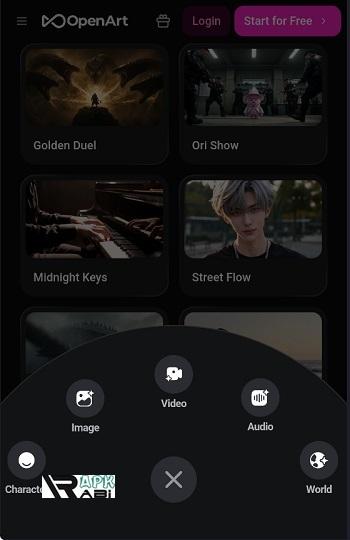
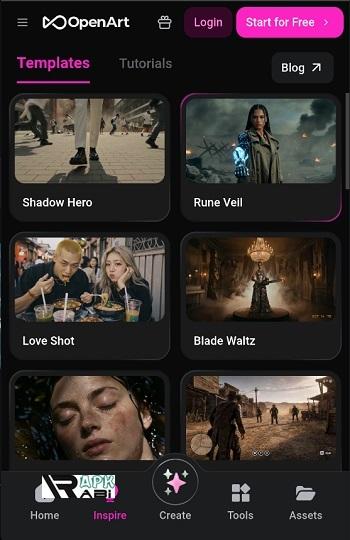
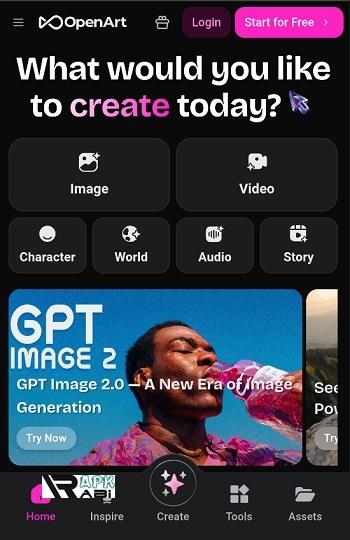
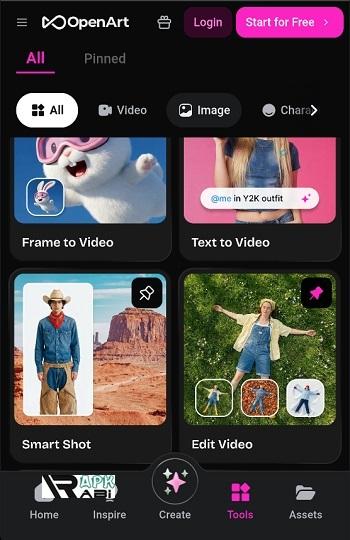
OpenArt Ai Mod APK is a phrase many people search when they want faster access to AI-powered creativity, especially video generation with a premium-feeling workflow. Rather than focusing on unofficial builds, this guide explains how the official OpenArt ecosystem works, what it can do for video creation, and how to get stronger results from prompts, styles, motion, and refinement. OpenArt currently positions itself as an all-in-one AI creator studio for images, videos, characters, and audio, with video tools such as text-to-video, image-to-video, elements-to-video, Smart Shot, Motion Sync, and Lip-Sync.
What OpenArt Is Designed to Do
OpenArt is built for creators who want to move from an idea to a finished visual asset without jumping between separate tools. Its official product pages emphasize a unified studio that brings together video generation, image generation, editing, character workflows, and audio creation in one place. On the video side, the platform highlights workflows for turning text into motion, transforming still images into video, blending reference elements into a clip, syncing motion from a reference video, and producing lip-synced content from audio and image inputs.
That matters because most users searching for terms like “premium unlocked” or “unlimited everything” are really trying to solve a creative problem: they want a smoother way to build videos that look intentional, consistent, and ready for social media or presentation use. OpenArt’s official workflow is centered on prompt clarity, visual direction, iterative editing, and output refinement rather than on technical complexity. The tutorials area also confirms that OpenArt provides step-by-step learning content for video generation, image generation, and editing.
Advertisement
Why People Look for OpenArt Ai Mod APK
Search interest around “OpenArt Ai Mod APK latest version,” “premium unlocked,” and “unlimited everything” usually comes from a desire to test premium features before paying. In practice, the official platform already offers an entry path for experimentation. OpenArt’s pricing page shows a free tier with trial credits, private creations, and the ability to test premium features during the trial period, while paid plans expand credit limits and unlock higher-volume production.
That means the real value is not in chasing a modified package, but in understanding how the platform’s creative system works. If you know how to write a better prompt, choose the right model, and refine motion and style settings, you can get much closer to the kind of polished output people imagine when they search for “openart ai mod apk premium unlocked latest version.” OpenArt’s official tools are built to make that process approachable for beginners and useful for experienced creators alike.
How OpenArt’s Video Workflow Actually Works
The most useful way to think about OpenArt video creation is as a sequence: choose a model, define a concept, supply a prompt or image, adjust features, generate, and refine. OpenArt’s text-to-video page describes a five-step process that starts with selecting the model, then adding a prompt or image, experimenting with settings such as aspect ratio and prompt enhancement, generating the result, and saving or sharing the finished piece.
This workflow is powerful because it turns a vague idea into an editable pipeline. Instead of expecting the first output to be perfect, OpenArt encourages iteration. Its own guidance recommends defining the theme, describing the setting clearly, combining details such as lighting and texture, integrating elements that shape the visual direction, using prompt enhancement tools, and repeating the process until the output matches the vision. That makes the platform especially suitable for creators who want a structured way to build cinematic shorts, social clips, concept visuals, and story-driven motion pieces.
Text-to-Video, Image-to-Video, and Elements-to-Video
OpenArt’s text-to-video tools are designed for creators who want to start from a written idea and turn it into motion. The official product page describes the generator as a way to convert creative ideas into videos from simple text prompts, with support for sound and iterative refinement. The page also states that users can add audio directly or use an automatic sound function that generates background music and voiceovers aligned with the scenes.
For creators who already have a visual starting point, the image-to-video workflow is equally important. OpenArt describes this feature as a way to bring images to life by adding movement, depth, and storytelling, using multiple models to turn photos into dynamic video clips. The platform also highlights elements-to-video as part of its core video tools, making it easier to blend references and visual components into one animated result.
This is where OpenArt becomes especially useful for marketing content, product storytelling, and social posts. A static image can be transformed into motion, a concept can be illustrated through a prompt, and a visual reference can guide the overall aesthetic. That flexibility is one reason OpenArt presents itself as a creator studio rather than a single-purpose generator.
Style, Motion, and Storytelling in OpenArt
A strong OpenArt result depends on more than just the main subject. The prompt needs direction. OpenArt’s own best-practice guidance emphasizes specifying the theme, describing the scene, adding details about lighting and textures, and refining the input through iteration. The platform also offers a prompt enhancement feature, which is designed to sharpen or personalize a prompt for better results.
The style tools matter just as much. OpenArt’s suite includes Smart Shot, described as a storyboard sheet plus cinematic video, Multi View for generating nine camera angles from one image, Motion Sync for syncing motion from a reference video, and Lip-Sync for making videos from audio and image inputs. Those tools suggest that OpenArt is not only about “make a clip from text,” but also about shaping a more complete visual narrative with consistent framing and motion control.
Advertisement
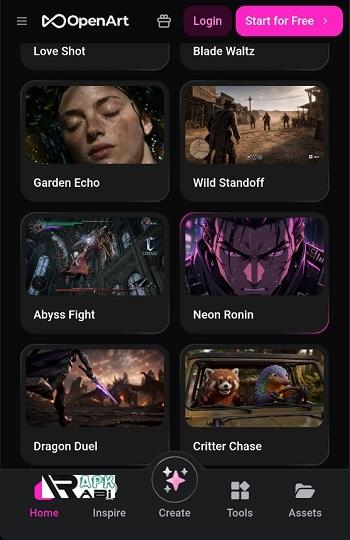
If you are creating short-form content, the platform’s own content ecosystem shows a strong focus on formats like short videos, reels, story videos, marketing videos, and movie-style generation. That makes OpenArt useful for creators who want to produce content for social channels, brand promos, explainer-style clips, or stylized story posts without needing traditional editing software.
Quality, Credits, and Output Expectations
OpenArt’s current pricing structure shows that the platform uses credits, not a simple unlimited free model. The free tier includes trial credits for a limited period, while paid plans add much higher credit volume and access to more premium generations. The Essential plan advertises roughly 4,000 credits a month and access to 100+ premium image, video, and audio models, while the Wonder plan advertises a much larger monthly allowance and even lists unlimited creation as a benefit.
That context is important for anyone searching for “openart ai free mod apk” or “openart ai mod apk download latest version.” The official product already offers a legitimate free trial and paid upgrade path, which is the safer route for creators who want reliable access, private projects, and predictable workflow behavior. OpenArt also states that creations are private on the free tier and that new users can receive trial credits to test premium features.
Quality is also tied to how carefully you describe the final result. The official text-to-video page recommends refining motion, camera angles, style, and even using negative prompts to avoid unwanted elements. It also notes that sound can be added through uploaded audio or automatically generated background music and voiceover. For creators who need commercially usable work, the page says videos may be used commercially with attribution and a backlink to OpenArt.
Common Mistakes to Avoid
The most common mistake is being too vague. A short prompt like “make a futuristic video” leaves too much open to interpretation. OpenArt’s guidance repeatedly shows that stronger results come from defining the theme, setting, atmosphere, and visual characteristics in more detail. Another frequent issue is changing too many elements at once, which can make it difficult to understand why a result improved or got worse. Iteration works best when each adjustment has a purpose.
Another mistake is ignoring motion and camera language. Since OpenArt’s video tools are built around animation and cinematic output, the prompt should support movement, transitions, and framing rather than only describing the subject. The platform’s own recommendations mention refining motion, camera angles, style, and using prompt enhancement to improve accuracy. That is a strong hint that prompt engineering is just as important as visual taste.
A third mistake is treating OpenArt like a single-use generator instead of a workflow platform. The tutorials page makes it clear that OpenArt supports a broader learning process for image generation, video generation, and editing. The best results usually come from combining the generator with these learning resources and then refining the output step by step.
Who This OpenArt Guide Is Best For
This guide is most useful for content creators, marketers, AI enthusiasts, and beginners who want to understand how AI video production works without getting lost in technical detail. OpenArt’s own positioning suggests that the platform is meant for both newcomers and more advanced creators, with tools that range from simple prompt-based generation to layered workflows such as motion sync, lip-sync, and storyboard-style video creation.
It is also a good fit for short-form creators who need a repeatable way to produce visual content for reels, social clips, explainers, and branded storytelling. Because OpenArt offers multiple creation paths, the same concept can be adapted into different formats depending on the project goal. A single idea can become a text-driven scene, an image-based animation, or a more polished multi-shot visual story.
Final Thoughts
OpenArt is strongest when you use it as a structured creative system rather than a one-click shortcut. Its official tools support text-to-video, image-to-video, elements-to-video, audio, prompt refinement, storyboard-based generation, motion syncing, and lip-syncing, all inside one creator studio. For anyone searching for OpenArt Ai Mod APK, the real takeaway is simple: the best results come from learning the workflow, not from relying on shortcuts.
Once the prompt is clear, the style is intentional, and the motion is planned, OpenArt becomes much easier to use and much more capable. That is what turns a basic AI output into something that feels polished, expressive, and ready to publish.
Let's build community together and explore the coolest world of APK Games/Apps.


1. This is the safest site on the Internet to download APK. 2. Don't ask about the Play Protect warning, we've explained it well, check here. 3. Do not spam, be polite and careful with your words.